


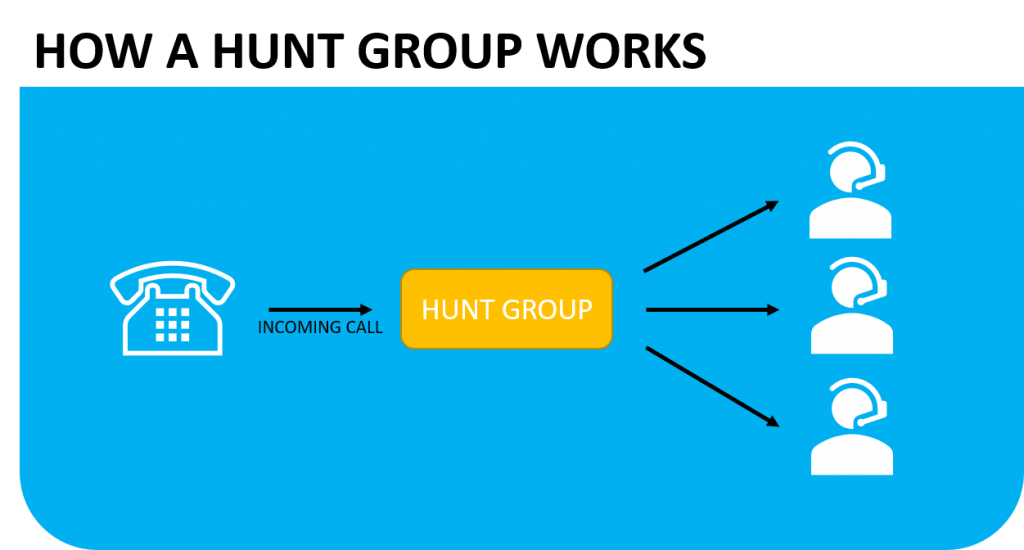
A hunt group is a business phone system feature that sends incoming calls to a group of people instead of just one phone. Rather than relying on one person to answer every call, the phone system “hunts” through a chosen list of users until someone is available to take the call.
For example, your main office number could ring your sales team, support team or reception team. Depending on how the hunt group is configured, the call can ring everyone at once, move through the team in order, rotate between users, or go to the person who has been available the longest.
Hunt groups are commonly used in VoIP phone systems, cloud phone systems and hosted business phone systems to help small businesses answer more calls, reduce missed enquiries and make sure customers reach the right team more quickly.
Types of hunt group call routing
Hunt groups can work in multiple ways based on your preference. Here are the five hunt group types:
Simultaneous
With this option, when an incoming call reaches the hunt group all the members devices will ring at the same time. If a user is already on a call, their devices will not ring.
Regular (linear)
With the regular hunt group option, an incoming call will be routed to the hunt group members in the order they have been added. If this member is unavailable or they do not answer, the call will be routed to the next available member in the list.
Circular
With this option, the first call goes to the first member in the list, the second calls go to the second member in the list and so on until it reaches the end of the list. This then circles back to the first user.
Uniform
Incoming calls are sent to the user that has been available for the longest period.
Weighted
The incoming call rings Members in a pseudo-random fashion according to their relative weight. The weight of each user is set as a percentage in the business portal. The more weight, the more likely the call is going to be sent to that member.
Hunt group vs call queue: what is the difference?
A hunt group routes a call to a group of users. If nobody answers, the call usually follows a fallback rule such as voicemail, call forwarding or another destination.
A call queue is more advanced. If all agents are busy, the caller can wait in a queue until someone becomes available. Call queues can also include announcements, queue music, estimated wait times, queue position messages and wrap-up time for agents after a call.
A hunt group is usually best for simple team call routing. A call queue is better when your business receives higher call volumes and callers may need to wait for the next available person.
When to use a hunt group
Use a hunt group when:
- You have a small team answering calls.
- You want calls to ring multiple people.
- You need simple call routing.
- You do not want callers waiting in a formal queue.
- You want missed calls to go to voicemail or another number.
When to use a call queue
Use a call queue when:
- Your team receives a high volume of calls.
- Callers are happy to wait for the next available agent.
- You want queue announcements or hold music.
- You need reporting on waiting times and answered calls.
- Agents need wrap-up time after calls.
Hunt group vs ring group: what is the difference?
Hunt groups and ring groups are similar because both allow more than one person to answer calls to the same number. The difference is usually in how much control you have over the routing.
A ring group normally rings multiple phones at the same time. Whoever answers first takes the call.
A hunt group is more flexible. It can ring users in a specific order, rotate between users, choose the longest idle user, or use another routing rule.
In practice, some providers use the terms differently. Some phone systems call everything a ring group, while others use hunt group, call group, department or call routing group. The important thing is not the label, but whether the system can route calls in the way your business needs.
Quick comparison
| Feature | Hunt group | Ring group |
|---|---|---|
| Rings multiple users | Yes | Yes |
| Can ring everyone at once | Yes | Yes |
| Can ring users in order | Yes | Sometimes |
| Can rotate calls between users | Yes | Sometimes |
| Can use longest idle routing | Yes | Usually no |
| Best for | Controlled team call routing | Simple “ring everyone” setups |
Why are hunt groups useful for small businesses?
Hunt groups are useful because they help small businesses handle calls more professionally without needing a large call centre.
The main benefits include:
- Fewer missed calls
- Faster response times
- Better customer experience
- More flexible call handling
- Easier remote working
- Calls shared across a team
- Better cover during holidays or busy periods
- A more professional first impression
For example, a small business with three office staff could set up a hunt group so that all three people can answer calls to the main office number. If nobody answers, the call could then go to voicemail-to-email or divert to a manager’s mobile.
Example hunt group setups
Small office reception
A small office may want all reception phones to ring at the same time. If nobody answers within 20 seconds, the call can divert to voicemail or a backup mobile.
Recommended setup: simultaneous ringing.
Sales team
A sales team may want calls shared between available users so that one person does not receive every enquiry.
Recommended setup: circular or longest idle routing.
Support team
A support team may want calls routed to the person who has been available the longest. If everyone is busy, calls may go to a call queue instead of voicemail.
Recommended setup: longest idle routing or a call queue.
Multi-site business
A business with staff in different locations may want calls to ring the nearest branch first, then overflow to another office if nobody answers.
Recommended setup: linear routing with overflow rules.
Mobile workforce
A business with staff working from home, on the road or across multiple locations may want calls to ring desk phones and mobile apps.
Recommended setup: simultaneous or circular routing across desk phones and mobile apps.
How to set up a hunt group
The setup process will vary depending on your phone system, but the basic steps are usually the same.
- Choose the phone number or extension for the hunt group.
- Decide which users should be included.
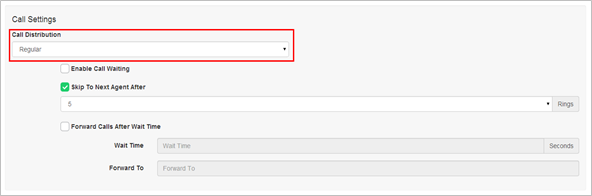
- Choose the call routing/distribution method.
- Set how long each phone should ring.
- Choose what happens if nobody answers.
- Add voicemail, call forwarding or overflow rules.
- Test the call flow before giving the number to customers.
You may also want to add:
- A welcome message
- Business hours
- Out-of-hours routing
- Voicemail-to-email
- Call recording
- Call reporting
- Mobile app support
- Overflow to another team
- Failover to an external number
A good provider should be able to help you design the call flow rather than leaving you to work it out yourself.
Hunt groups with Globe2 business VoIP
Globe2 provides hosted VoIP phone systems for small businesses, including call routing features such as hunt groups, ring groups, call queues, voicemail-to-email, call recording, number porting and mobile app support.
We can help you design the right call flow for your business, whether you need a simple “ring everyone” setup, a sales hunt group, a support team call queue or more advanced routing across multiple locations.
If you are moving away from old phone lines or replacing an existing business phone system, we can also help with number porting, handsets, mobile apps and setup.
Frequently asked questions
What is a hunt group in a phone system?
A hunt group is a phone system feature that routes incoming calls to a group of users. The call can ring users at the same time, in a set order, in rotation or based on who has been available the longest.
What does hunt group phone mean?
A hunt group phone setup means calls to one number are shared between multiple phones or users. It is commonly used by businesses that want a team to answer calls instead of relying on one person.
What is the difference between a hunt group and a ring group?
A ring group usually rings several phones at the same time. A hunt group can do that too, but it can also use more advanced routing rules, such as ringing users in order, rotating calls or choosing the longest idle user.
What is the difference between a hunt group and a call queue?
A hunt group routes calls to a group of users. A call queue holds callers in a queue when all users are busy. Call queues are better for higher call volumes, while hunt groups are often better for simpler team call routing.
Can a hunt group ring mobile phones?
Yes, many VoIP phone systems can include mobile apps or external numbers in a hunt group. This is useful for remote teams, mobile workers and businesses that need calls answered away from the office.
What happens if nobody answers a hunt group call?
If nobody answers, the call can be sent to voicemail, diverted to another team, forwarded to a mobile number or passed into a call queue. The best option depends on how your business wants to handle missed calls.
Are hunt groups useful for small businesses?
Yes. Hunt groups are especially useful for small businesses because they help several people answer calls to one number. This can reduce missed calls and make the business sound more professional without needing a full call centre.
Do hunt groups work with VoIP?
Yes. Hunt groups are commonly included with VoIP phone systems, hosted phone systems, cloud PBX systems and modern business telephone systems.
Who provides hunt groups and ring groups for small business phone systems?
Many business VoIP providers offer hunt groups and ring groups. When comparing providers, look for call routing, call queues, mobile app support, voicemail-to-email, number porting and hands-on setup support.